Graceful #016 - Does Glow Start in the Gut?

The Gut–Skin Connection
Eat to Support Your Gut Microbes
When it comes to ageing with intention, we tend to think about what we put on or do to our skin — the serums, the actives, the rituals and treatments. But what we feed our body, and more specifically, what we feed our gut microbes, might be just as powerful.
The bacteria living in our digestive tract quietly influence everything from our energy levels and hormones to how our skin looks. When nourished properly, these microbes produce metabolites — particularly short-chain fatty acids — that have anti-inflammatory effects throughout the body. They soothe overactive immune cells, balance inflammation (which we know is important), and create a calmer internal environment, which often shows up as clearer, more even skin.
This relationship between the gut and skin, known as the gut–skin axis, has started to get a lot more airtime (and much needed research) over the last 10 years. and one I’m following with huge interest. One Dermatologist Dr. Whitney Bowe, who wrote an amazing book called The Beauty of Dirty Skin, was one of the first to publish research showing how an unbalanced microbiome can trigger breakouts, inflammation, and premature ageing.
Lots of studies since (one here) have also shown connections between an imbalance in the gut flora (referring to the trillions of microorganisms like bacteria, viruses, and fungi that live in the digestive tract) and chronic inflammatory skin conditions — from rosacea and eczema to psoriasis and adult acne.
It makes sense when you think about it: our gut lining is home to around 70% of our immune system. When this ecosystem is thriving, it keeps inflammation in check. But when it’s stressed — through processed foods, chronic stress, medications, or low-fibre diets — the balance shifts. Harmful bacteria begin to dominate, creating inflammation that can surface as skin sensitivity, congestion, dullness or a premature breakdown of collagen and firmness in the skin.
How to Support The Gut:
So, how do we nurture these beneficial bacteria? The answer is simpler (and more delicious than it sounds). Fermented foods like kimchi, sauerkraut, kefir, kombucha, miso, and tempeh are naturally rich in probiotics, the ‘good’ bacteria that replenish your gut. Prebiotic foods, on the other hand, feed the bacteria that are already there. These include fibres and resistant starches found in oats, beans, apples, avocados, artichokes, and cruciferous vegetables like cabbage and broccoli. In short: aim to fill your plate with a wide variety of fruits and vegetables — Tim Spector’s ‘Rule of 30+’ (30 different plant foods per week) is a useful benchmark.
Most modern diets, particularly in the West, are far less diverse and fermented than what our grandparents or ancestors ate. I personally grew up in a ‘meat and two veg’ household, so introducing foods like soy, miso, and kimchi has been a later-life learning — and if I’m honest, I really have to be intentional about remembering to include them.
The move away from traditional fermentation into easy, more heavily processed meals means we’ve lost not only beneficial bacteria but also the natural fibres that feed them. Reintroducing these foods, even in small amounts can help recalibrate your microbiome and reduce systemic inflammation.
If you’re not used to fermented foods like me, start slowly: a spoonful of sauerkraut or pickled onions alongside your meal, or maybe a spoon of kefir in your smoothie or on top of your porridge is a great start.
Over time, our gut can become more resilient, and digestion improves over time. When your microbiome is balanced, your skin tends to follow suit — brighter, calmer, and more alive.
One of my favourite recipes to keep in the fridge and add to breakfast is below — the ultimate ‘lazy girl’ hack for anyone looking for an easy, gut-loving boost.
Recipe:
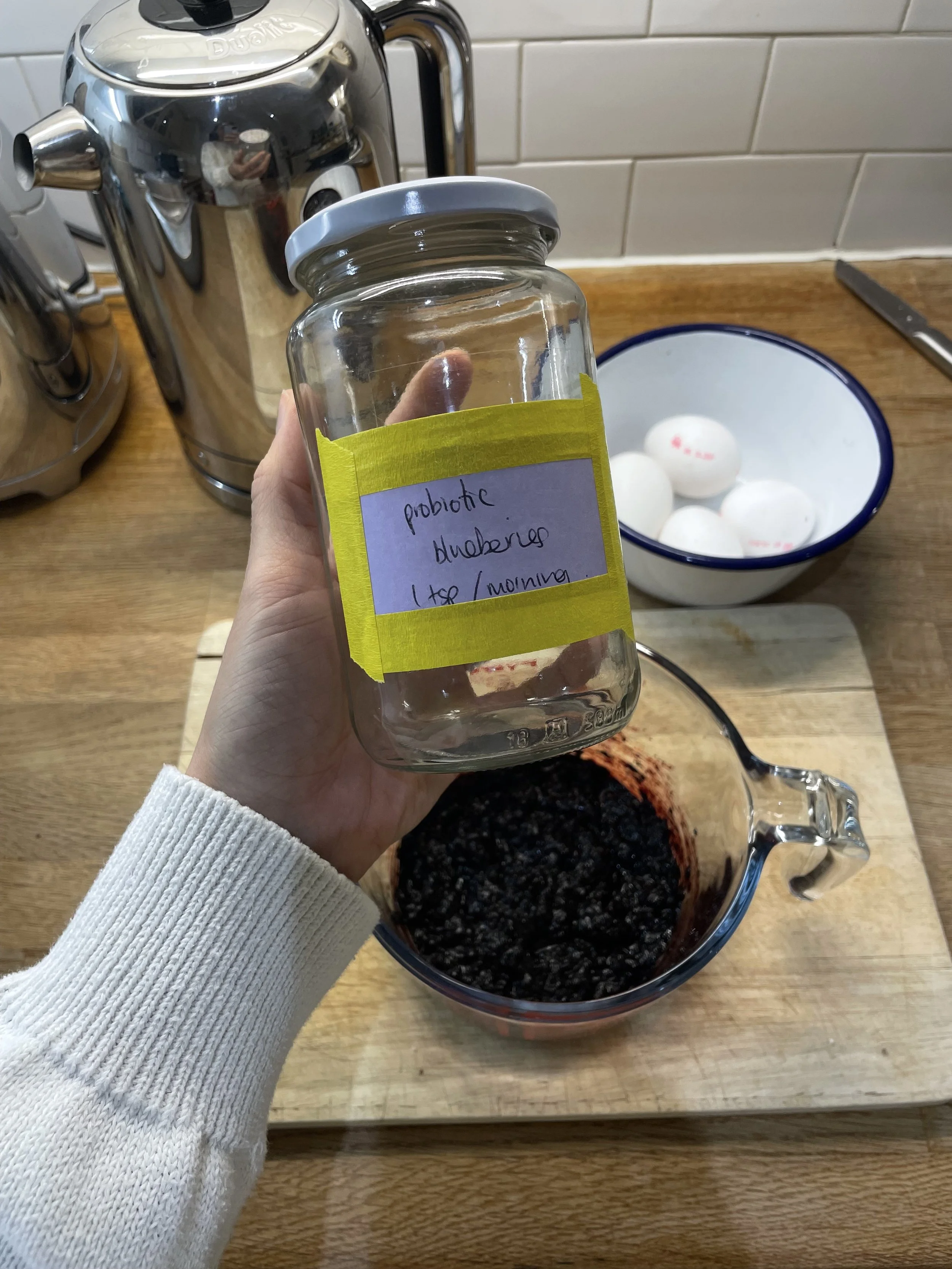
Fermented Berry Probiotic
I first came across this simple fermented berry recipe through Amy Chang on Tiktok, who shared a recipe by Dr. Alberto Villoldo’s; author of Grow a New Body. It’s become a quiet staple in my fridge — something that feels almost medicinal but is so simple.
This fermented berry blend is rich in antioxidants, natural fibre, and live probiotics — a skin-loving trio that helps reduce inflammation, regulate the microbiome, and promote a smoother digestive rhythm. Think of it as a daily, edible skincare step.
You’ll need:
- 1 large bag of organic frozen mixed berries
- ½ cup water
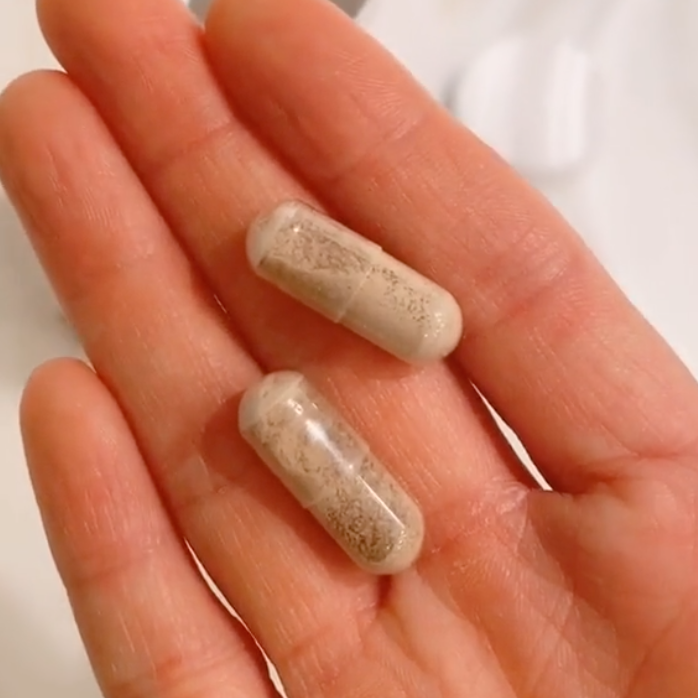
- 2–3 capsules of Saccharomyces boulardii probiotic (I get my capsules from Amazon; lots of options)
To make:
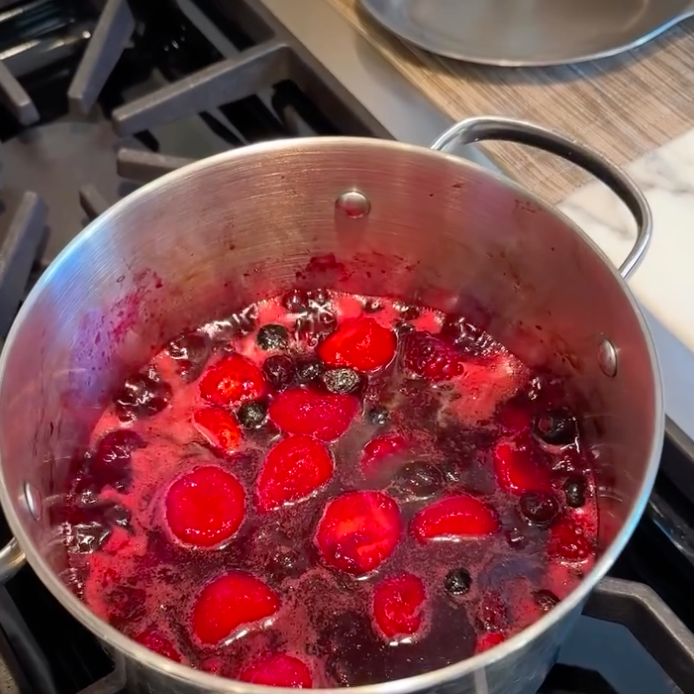
1. Add the frozen berries and water to a medium saucepan. Bring to a gentle boil.
2. Once boiling, reduce the heat and simmer on low for around 30 minutes.
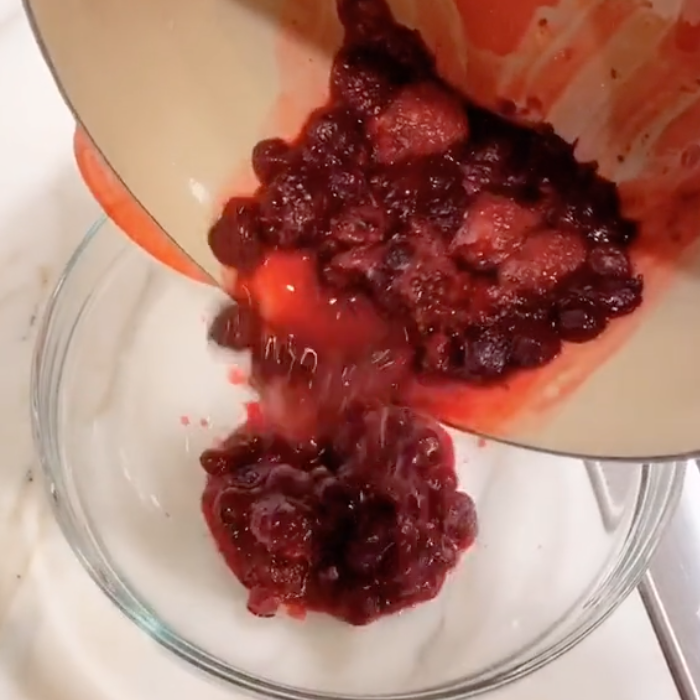
3. Turn off the heat and allow the mixture to cool completely to room temperature.
4. Transfer the cooled berries to a clean glass bowl.
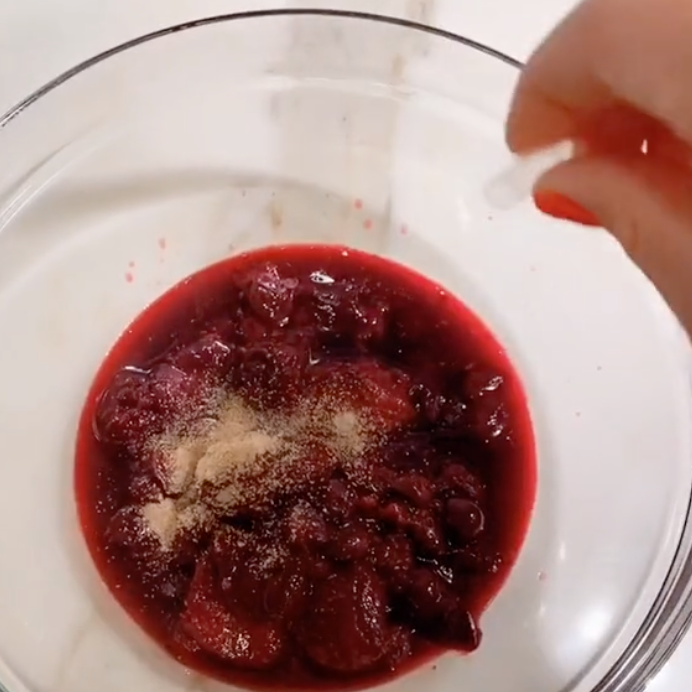
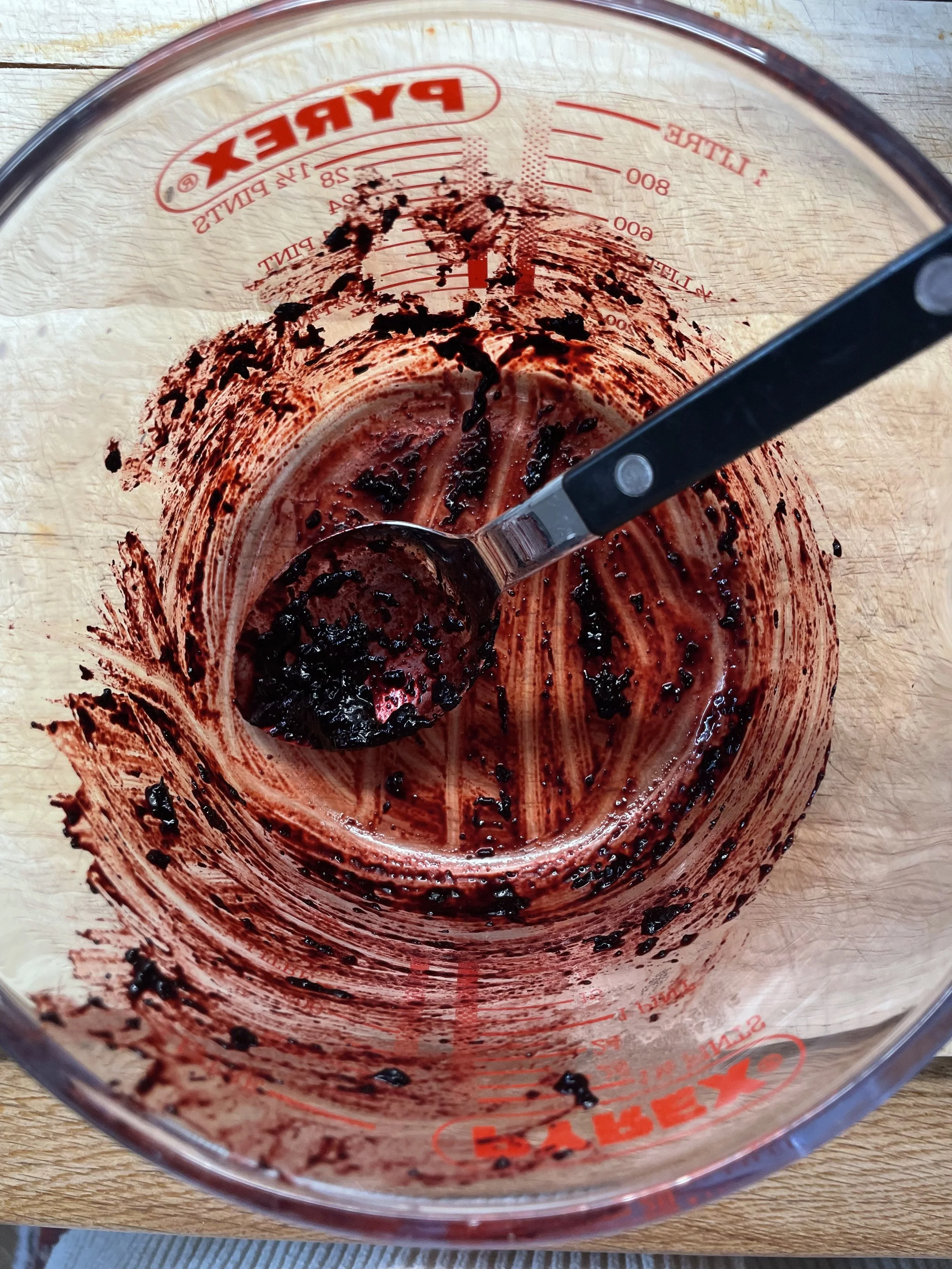
5. Open the S. boulardii capsules and sprinkle the powder evenly over the mixture. Gently stir to combine.
6. Cover the bowl and place it inside your oven — do not turn the oven on. Just switch on the oven light for a little ambient warmth to keep it room/body temperature.
7. Let the mixture ferment undisturbed for 36–48 hours.
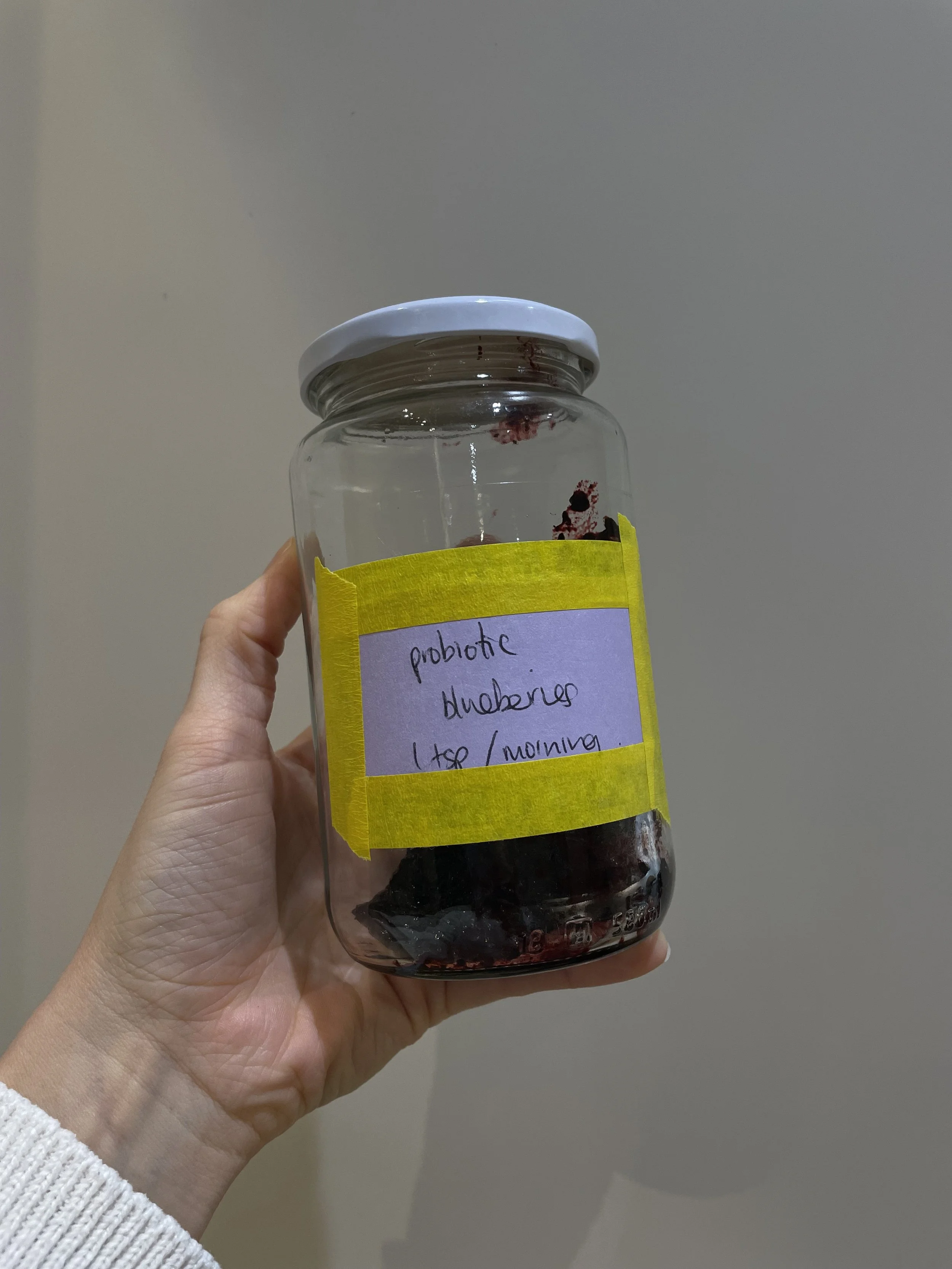
8. Once done, spoon the fermented berries into glass jars, leaving some space at the top (they will expand slightly).
Store in the fridge and enjoy a spoonful daily — ideally on an empty stomach or swirled through yoghurt, chia pudding, or oats.
The taste is subtly tangy, lightly sweet, and quietly addictive once you get used to it. But what it does internally is the magic; it nourishes your gut lining, encourages diversity, and reduces inflammation — all foundations for radiant, resilient skin. Enjoy!
From My Desk This Week:
One product I’m loving: I am a longterm fan of Medik8 c-tetra as my morning Vitamin C serum, but lately I’ve been trying (and loving) Caroline Hirons’ Skin Rocks The Antioxidant as a simple, feel-good addition to my morning routine. It contains a stable form of vitamin C that actually reaches deep into the skin, alongside antioxidants like acetyl zingerone and fermented green-tea extract that help protect against the daily wear-and-tear from sun, pollution, and stress. In plain terms: it helps stop fine lines, uneven tone, and dullness before they start, while keeping your skin barrier strong and resilient. It’s light, layers beautifully under moisturiser and SPF, and also has a refill option which we love to see! I’m really looking forward to trying more from her range.
What I’m reading/listening to: This week I loved an episode of the Breaking Beauty podcast with Susan Yara, specifically the episode with a dermatologist on pigmentation; a must-listen if you’re struggling with this. She dives into practical, science-backed tips for treating melasma and other pigmentation concerns — everything from sunscreen strategies to layering actives effectively. It’s clear, relatable, and full of advice you can actually apply at home.
Also on my playlist today; in perfect harmony with this issue’s gut-health focus - is today’s episode of the Wellness Scoop with Ella Mills. They are featuring Tim Spector, and explore the microbiome, how what we eat impacts our gut, and simple, actionable ways to nourish our microbiome daily. Perfect timing!
In the media: I’ve seen one BBC article shared a lot this week, discussing new rules around at-home LED masks, specifically regarding claims that they treat conditions like acne or rosacea. Essentially the regulators are focused on preventing misleading statements — because at the end of the day, these devices can’t promise results like a medical treatment can. It’s needed in this space - so I’m here for it. The takeaway however? LED light can be a helpful support for some skin concerns, but it’s not a miracle cure. Results, if any, usually come with consistent use over time and will vary depending on your skin - I talk about this a lot in a prior issue. When looking for at-home devices, it’s worth doing your research: check for reputable brands, clear specifications, and clinical backing rather than relying on marketing claims as up until recently it’s been a little fluid in terms of claims. Approach them as an assist to your routine and holistic lifestyle changes, rather than a solution that will do all the work for you.
Small shift to try this week: This week, I’m making a point to take a short walk after lunch. Beyond giving my mind a bit of a midday reset, it gently supports digestion and keeps things moving in the gut — something our bodies really appreciate and sits nicely with this weeks tone. With days getting shorter and darker, it’s also a simple way to soak up some natural light.
As always, I hope this helps us all navigate some popularised topics around ageing with intention and ease. I’d love to hear your questions or any topics you’d like me to break down in future newsletters, just reply to this email.
With grace,
Charlie x
PS: Please forward this email on to anyone you think might find it insightful. They can sign up here, and read past issues here.
*For any studies or references to support this newsletter please reach out.