Graceful #015 - Resetting Your Rhythm

Over the weekend, the clocks “fell” back, and suddenly mornings felt darker, dinner prep arrived sooner, and many of us noticed that familiar mid-afternoon slump creeping in. That extra hour of sleep on Sunday was lovely, of course, but it doesn’t magically reset your body clock. Our circadian rhythm needs a little time to catch up — experts say it can take three to five days for your internal clock to fully adjust. Pretty soon, it will be dark when we leave for work and dark by the time we get home, which is when small shifts to our routines can make a surprisingly big difference.
As the days shorten, it’s not just our energy that changes — sleep quality, mood, and even skin can feel the impact. These seasonal shifts are a natural cue to adjust routines and support your body and skin through the darker months.
This week, I’m keeping it short and snappy — half-term chaos is in full swing, and I’m juggling case studies for my training (it’s not far away I promise).
If you’re still struggling to adjust your routine after daylight savings like I clearly am, here are some tips to help you adapt to the shorter days:
1. Light in the morning
In summer, bright light acts as nature’s alarm clock — helping stimulate cortisol and serotonin, the hormones that keep us alert and balanced. In the depths of winter, however, the lack of early daylight means that melatonin (the sleep hormone) lingers longer in our system, making it harder to wake up or feel energised.
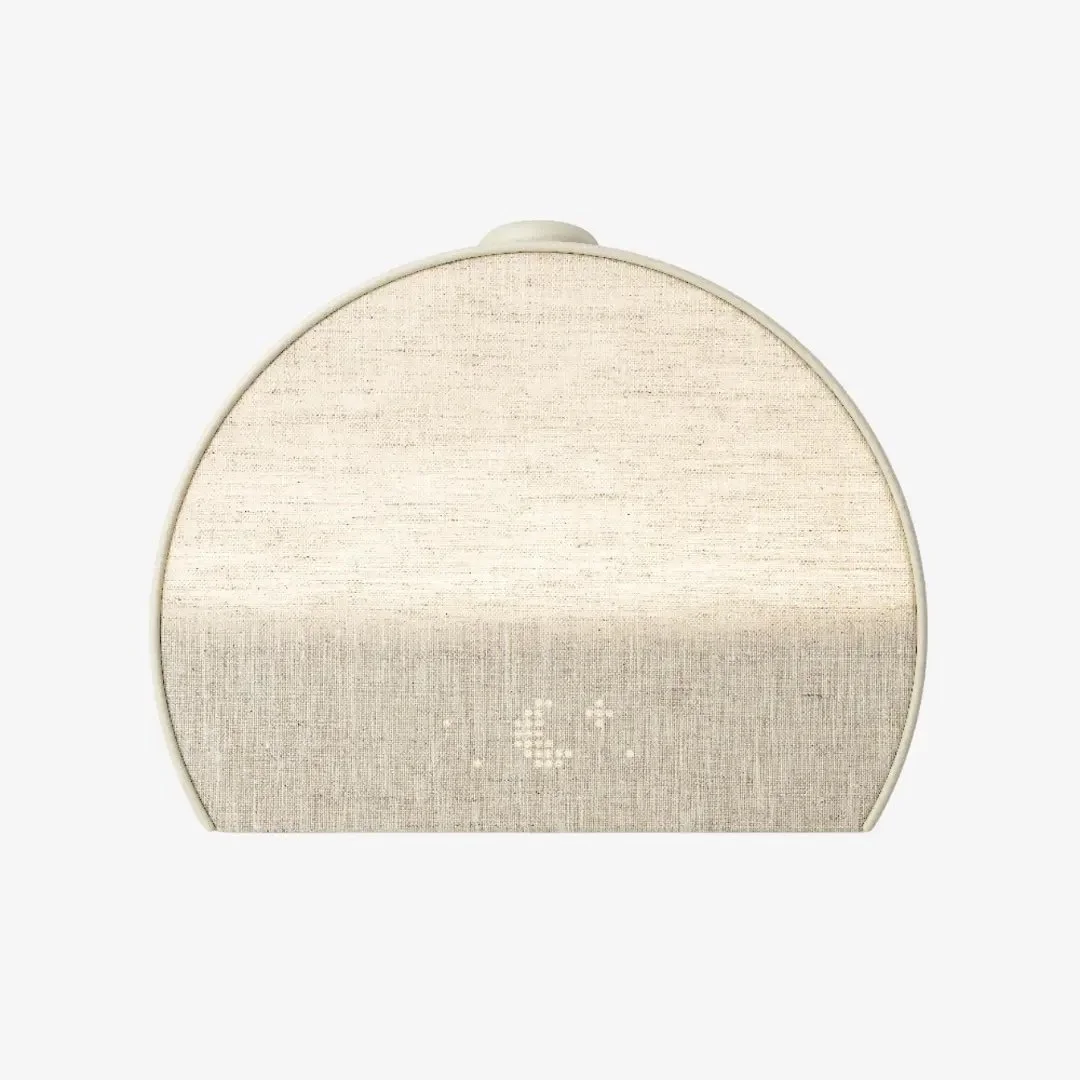
If it’s still dark when you wake like me, I’m considering investing in a SAD lamp or daylight alarm clock this year to beat the seasonal slump. Choose one with at least 10,000 lux and use it for 15–20 minutes while having breakfast or getting ready.
Research shows that morning light therapy can improve energy, mood, and even cognitive performance — while helping your body adjust faster to shorter days.
Once daylight does appear (or if you’re reading from the Southern Hemisphere), step outside for a few minutes within the first hour of waking, even if it’s overcast. Natural light exposure (even through clouds) is significantly more powerful than any indoor bulb.
2. Time your meals and movement
Your metabolism and digestion follow the same circadian cues as your sleep cycle. Eating your main meal earlier in the evening — ideally before it’s fully dark — can help regulate blood sugar, aid sleep quality, and prevent late-night snacking which impacts our sleep further.
A study found that people who ate their largest meal during daylight hours had better metabolic responses (how the body handles nutrients, blood sugar, and energy) more efficiently and improved energy the next morning.
If your schedule allows, get your movement in the morning or at lunchtime when light exposure is at its peak — this not only boosts endorphins but reinforces your body’s internal clock.
3. Protect your skin barrier from central heating & cold air
Skin often becomes dull, tight, or flaky this time of year — not because it’s ‘dry’ in isolation, but because the barrier function (your skin’s ability to hold onto moisture - we talked about this a few weeks ago) is under strain. Central heating, low humidity, and cold winds strip away our skin’s natural oils and hydration that keep it feeling supple.
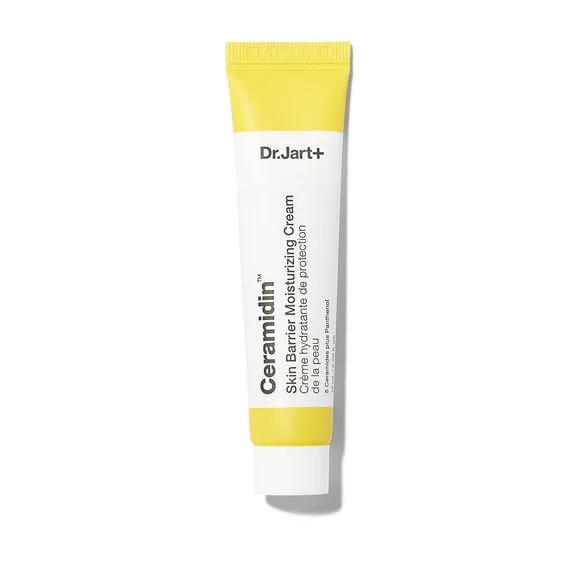
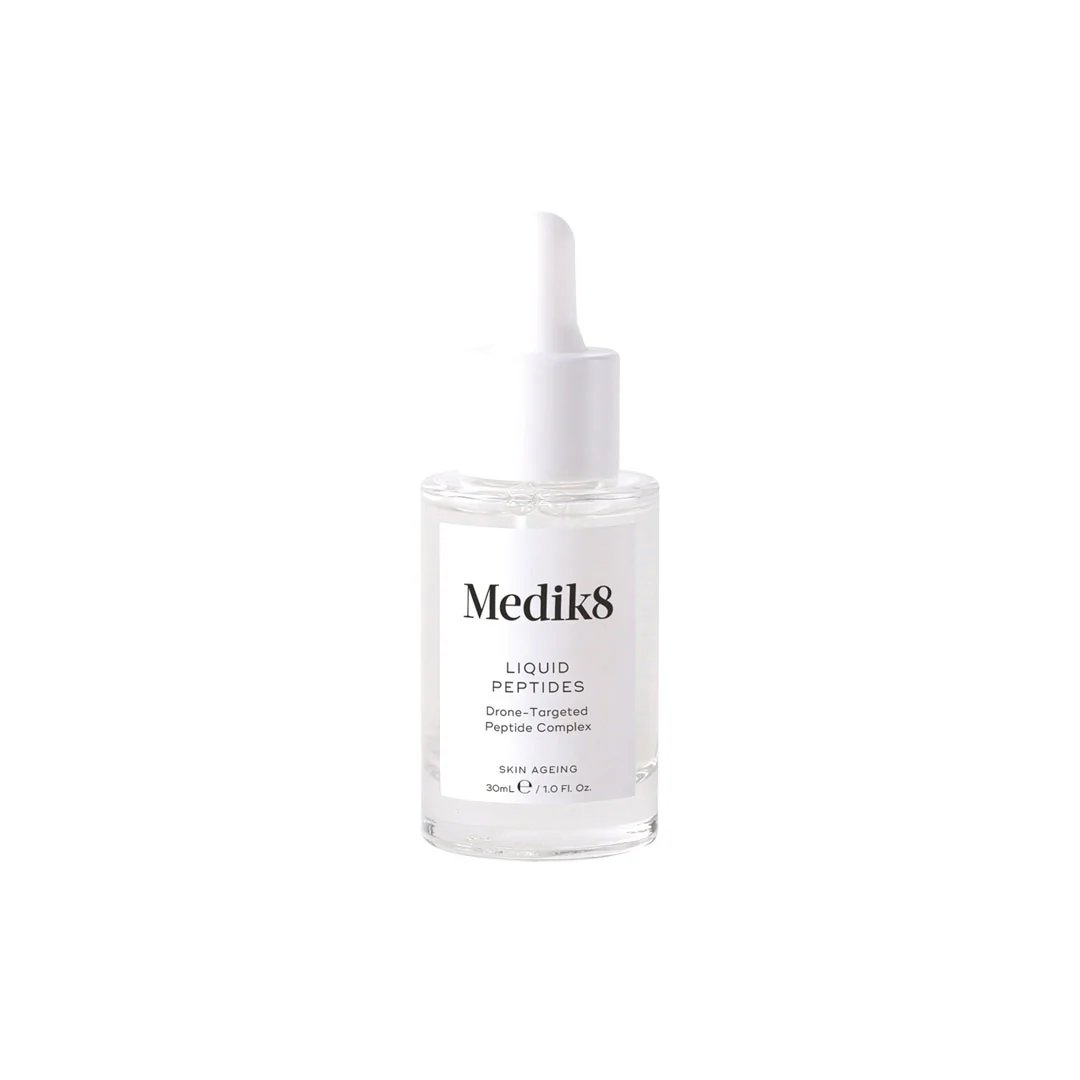
Focus on barrier repair and replenishment rather than over-exfoliating. Opt for a gentle cream cleanser, add a hydrating serum with ceramides, niacinamide, or panthenol, and switch to a richer night cream to lock in moisture. A humidifier in the bedroom can make a noticeable difference overnight (bonus points - this is amazing for popping in kids rooms overnight if they’ve got the dreaded cold or flu)
For those experiencing winter flare-ups (perioral dermatitis, redness, or generall tightness), maintaining consistent hydration levels orally and topically, and limiting harsh surfactants (foaming cleansers, soaps, some exfoliants, cleaning or washing products) can keep barrier recovery steady.

4. Support your nervous system for better sleep and mood
Darkness triggers more melatonin (for sleep), but also a shift in serotonin — our mood-regulating neurotransmitter. This can leave lots of us, myself included, especially by the time we hit March; feeling sluggish or low (perhaps Seasonal Affective Disorder).
Small, nervous-system-friendly rituals can help recalibrate your internal rhythm:
A warm magnesium-rich bath or foot soak before bed (magnesium supports GABA activity, aiding relaxation).
Lowering lights and reducing blue light exposure an hour before bed to signal to the brain it’s time to unwind.Try red light lamps in bedroom, and putting your phone on red light mode from 8pm.
Gentle evening stretching or breathwork to transition into rest mode.
Research from Harvard Medical School shows that reducing blue light exposure by even 30 minutes before bed can improve melatonin production and sleep onset by up to 20%.
5. Routines & Rituals
Routine builds rhythm — and rhythm restores balance. I find grounding my day in small, often sensory (if you’re that way inclined) moments can offset the seasonal rush, especially in the lead up to Christmas. An evening ritual — what I often call “parasympathetic time” (read about in last week’s issue) — helps me reset: a hot bath, dry brushing, and nourishing skincare routine. It’s less about vanity, more about slowing down the pace, so by the time you’re in bed you’re ready for sleep.
These simple rituals stimulate circulation, support lymphatic flow, and give your nervous system cues to slow down — something our bodies crave in darker months.
From My Desk This Week:
One product I’m loving: I’ve been trying the Naturium Glycolic Body Wash recently — and it’s a game-changer for anyone dealing with keratosis pilaris (chicken skin on arms) or just dry, bumpy winter skin in general. The glycolic acid gently exfoliates while hydrating the skin, smoothing out rough patches without leaving it tight or stripped. I love that it’s such a simple addition to a shower routine, well-priced, and it feels like it has made a visible difference within a few weeks. Bodycare is so often overlooked, but this feels like a little indulgence that really works.
What I’m reading/listening to: I’m deep into Part 2 of Steven Bartlett’s Women’s Health Debate, which (I spoke about Part 1 last week, FYI they’re chunky at several hours) I’ve been listening to it while cooking or tidying up at home. This episode has a lot of information about how we can move our bodies to support bones, hormones, and overall wellbeing as we enter different life stages — early 30’s, perimenopause, menopause and beyond. It is a great reminder that exercise isn’t just about aesthetics; it’s about supporting our internal health in ways we often overlook. I’ve already started thinking about small tweaks in my routine to keep things sustainable and realistic but supporting my future health. A great listen for all women.
In the media: I read this week that Denmark has been named the country that ‘ages’ the slowest, with people biologically younger than their years by over two years on average! Yet another reason the Nordics are doing things right! It’s fascinating to see factors like air quality, healthcare, and social equality quantified in this way. This study is also really interesting because it redefines ageing as a product not only of our health, general biology and lifestyle but also of broader environmental and sociopolitical forces.
Small shift to try this week: With winter coming, I would encourage you to check your cleansing routine. A lot of people stick with foaming cleansers year-round, which can be great for oily or congested skin, but as the air dries out, a foaming formula can strip the skin and exacerbate tightness or irritation and ultimately lead to an impaired barrier. I rarely recommend them. Swapping in a more hydrating, gentle cleanser — especially for those doing a double cleanse — can make a huge difference in maintaining moisture, comfort, and barrier function. It’s a nice, small seasonal tweak that protects the skin without adding complexity to the routine. Cleansers don’t need to be a huge investment as we’re washing the product off anyway; La Roche Posay or Byoma have great options.
As always, I hope this helps us all navigate some popularised topics around ageing with intention and ease. I’d love to hear your questions or any topics you’d like me to break down in future newsletters, just reply to this email.
With grace,
Charlie x
PS: Please forward this email on to anyone you think might find it insightful. They can sign up here, and read past issues here.
*For any studies or references to support this newsletter please reach out.