Graceful #022 - The Trends That Matter in 2026
2026 Beauty & Wellness Trend Predictions
Every year, we’re presented with a new wave of beauty and wellness ‘breakthroughs’. There are often ingredients we’re told will change everything, new treatments framed as non-negotiable, and routines designed to promise control over how we age.
Some of it genuinely moves the needle, and I’m always excited to read about what’s coming up, but realistically a lot of it feels like clever repackaging.
But the tone of 2026 feels meaningfully different. There’s less appetite for extremes, overcorrection, or doing more for the sake of it, and more interest in longevity (we’re seeing a lot of this), regeneration, prevention, nervous system health, and supporting the body as a whole system.
In my work, I’ve noticed it in the questions clients bring: they’re less interested in masking texture or looking for an instant fix, they’re more curious about the biology behind why their skin aged the way it did, and how thoughtful holistic care now, will make a difference in later years. That’s a very different vibe to what we’ve all been consuming in the last 5 years. It feels as though we have more of an appetite for slower, more intentional guidance, and more likely to be swayed by marketing more grounded in evidence than shiny campaigns or influencer endorsements.
Beauty, wellness and skincare are becoming less about correction (though it’s not disappearing) and more about maintenance. It feels as though the industry is finally recognising that the long game is the winning one.
Here are the trends I believe will be shaping the year ahead:
Regenerative Aesthetics:
In previous years, aesthetics have often focused on plumping, smoothing, and correcting. 2026 is shaping into a year where people want to support how their skin and biology works, not just fill or freeze it.
What’s driving this? The rise of treatments that prompt the skin to produce its own structural support. We now have new and longstanding protocols that encourage collagen and elastin production, rather than just adding false volume we may need to deal with later. Biostimulators and regenerative injectables are a big part of this evolution: products like poly‑L‑lactic acid based treatments (think Sculptra) and polynucleotides (PNs/PDRN) that talk directly to cells and fibroblasts about rebuilding collagen, rather than occupying space with filler. (Dr Sophie Shotter—Winner of Medical Practitioner of the Year talks more about this here).
The result is subtle, gradual improvement for those losing volume, and these are not an overnight transformation, but a slow strengthening or activating of our own systems. Compared to the heavy‑fill, immediate‑result aesthetic of we’ve seen in the past few years, this trend is rooted in natural biology and longevity and it feels like something people will feel a little more comfortable with.
Exosomes; go mainstream
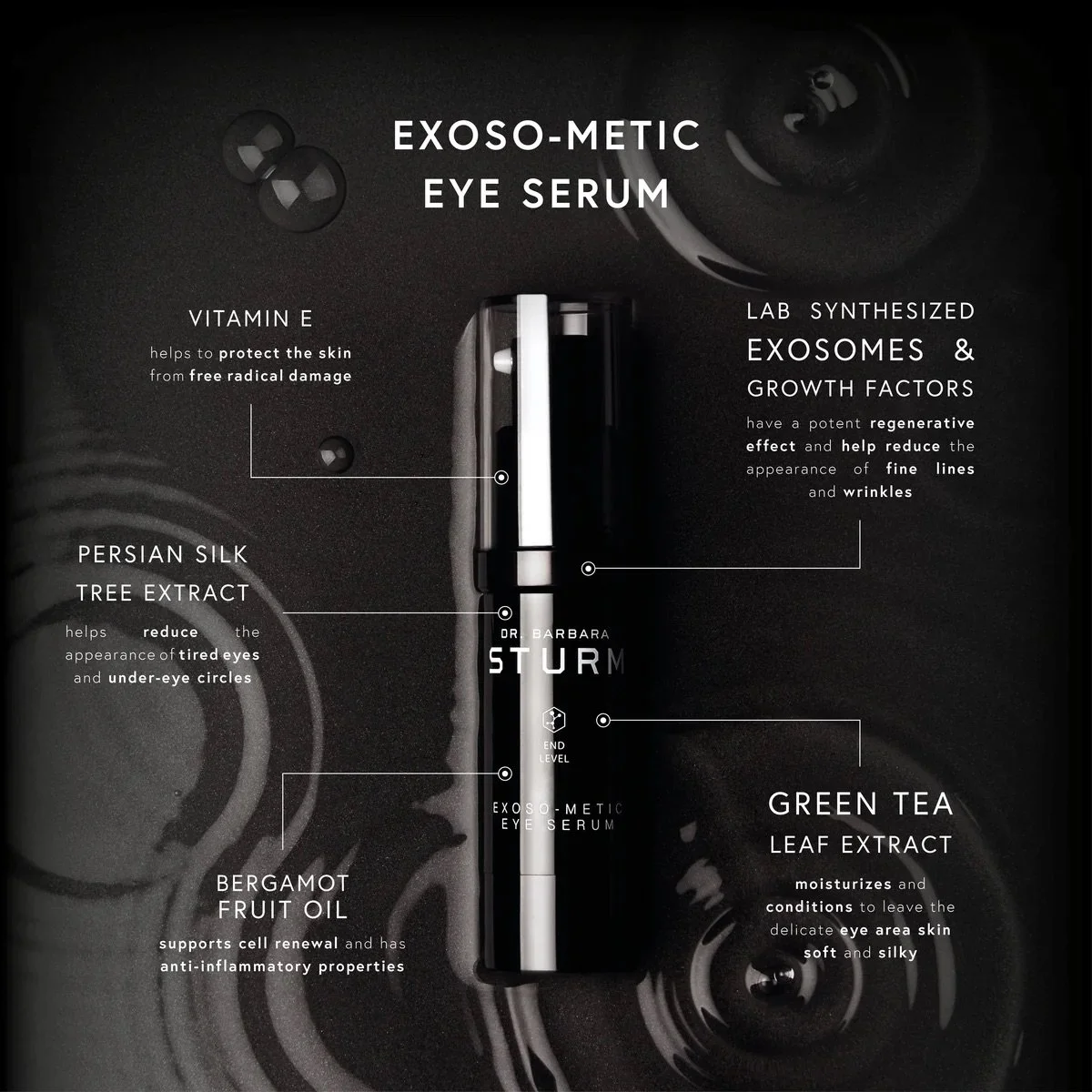
The buzz you’ve probably heard, and that’s showing up everywhere, is around exosomes. These are microscopic vesicles cells use to talk to each other about repair, inflammation control and regeneration. They’re naturally part of how tissues maintain themselves, and in 2026 I think we’ll see them becoming a tool for supporting that internal communication in a more targeted way. (British Vogue)
The interest in exosomes isn’t just hype: people are integrating exosome‑based serums (see Barbara Sturm’s new £400 serum) or in‑clinic protocols that use them as adjuncts to microneedling (in clinic I’ve adopted bio-identical exosomes for ethical reasons; catch up on why in exosome issue here), laser, or other regenerative treatments.
The emphasis is on helping skin cells coordinate repair better, rather than forcing a response through injury or irritation. That’s a subtle but meaningful difference to some older methods that rely on wounding to stimulate renewal through trauma, and is not always suitable, or desireable for everyone.
Peptides and Next‑Generation Actives
Peptides aren’t new, but in 2026 they’re finally stepping out of just a-label-on-your-skincare territory, and into functional biology. These small chains of amino acids are essentially signals; they’re messages to cells to ramp up collagen, support barrier health, calm inflammation, and improve elasticity. And the way they’re being formulated now makes them more effective and targeted than ever before. I wrote an article for Who What Wear that dives deeper into how they work here.
We’re also seeing next‑gen actives like the super-hydrator ectoin and advanced antioxidant systems that protect against environmental stressors like pollution and city-life and support cellular function so our skin ‘works better’, rather than just creating a surface glow. These are tools that help skin stay stable, resist damage and preserve function, and that again, not to be a broken record but encourages; biological resilience over time, and is what seems to be defining the 2026 approach.
Hands‑On Therapies:
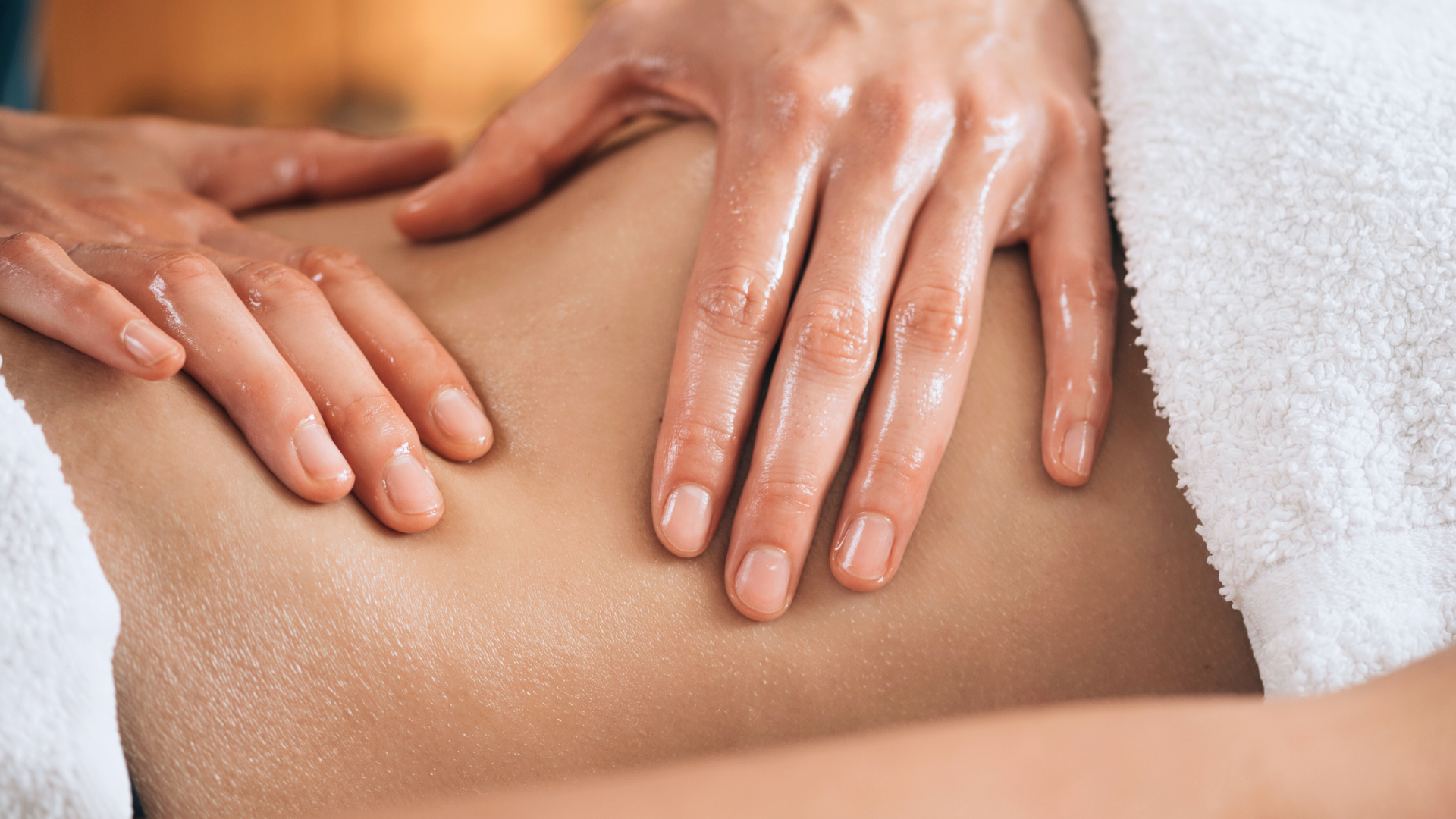
Another meaningful shift this year is the resurgence of hands-on, movement and massage-centric treatments; something I’ve long felt deserves more attention. Skin longevity isn’t only about actives and injectables; it’s deeply influenced by tension patterns, fascia health, circulation, lymphatic flow and muscle tone. These are the structural layers we don’t see but shape how skin looks and behaves over time.
We will readily invest in physiotherapy, massage and movement to support the body from the neck down, yet the face is often overlooked, despite containing more than 40 muscles that play a huge role in our expression, ageing, posture and overall skin vitality.
Intra-oral (buccal) massage, deep myofascial release, Golki, and sculptural facial massage are all being searched and discussed ( see press examples like:can sculpting be the new botox) and many of these techniques I include in my own treatments. They work with the face’s underlying structure to support symmetry, circulation, tone and harmony, without needles or trauma. Interest in facial massage has grown hugely over the last few years, showing a much needed shift toward natural, tissue-respecting approaches in a world seemingly obsessed with facelifts.
These practices go beyond temporary glow or de‑puffing, although there is a reason these treatments are sought out pre-event. There also new evidence to suggest it supports brain health too. It feels that people are remembering that skin is living tissue, connected to structure and the nervous system, and that skilled hands can be as impactful as any device for long-term tissue health. One trend I’m very excited to be seeing get more airtime.
Holistic & Diagnostic Care
2026 is where personalised, evidence‑based care becomes normalised and more sought after. We’re also seeing more integration and correlation between disciplines; I’ve recently incorporated lymphatic body work to support skin health, and some of my colleagues are educating themselves more on the topic of nutrition. Many of my clients have their own network of practitioners to support their overall health and wellbeing too: facialists, nutritionists, naturopaths, endocrine specialists, physios, acupuncturists and functional medicine practitioners to tackle concerns from multiple angles.
This collaborative care model reflects the understanding that skin, appearance, and our general wellness is a reflection of whole‑body health. Hormones, sleep, stress, diet, nervous system, and inflammation all play into how our body, and therefore too, our skin responds. And instead of guessing or adopting a trend, people want diagnostics to support their investment of both time and money (and fair enough). There is more demand for evidence in the shape of skin imaging, blood panels, hormone checks, skin barrier analysis and personalised programmes that tell them exactly what’s happening and why. New technology startup Neko is a great example of tapping into the desire to understand our health at a deeper level as a preventative measure.
Instead of working in silos and hoping for the best, this integration and data-led shift feels long overdue.

Neko Body Scan - currently with a 40,000 person waitlist
Bodycare as Skincare
It feels as though there is a shift towards treating the body with the same intent as the face. Facial skincare has dominated the spotlight while bodycare was always an afterthought but in 2026 that’s changing. People are applying the same evidence and precision to body skin that they’ve applied to their faces for years.
Topicals like retinoids designed for body skin, peptide‑rich formulations for elasticity, ceramide and barrier repair creams, and collagen‑supporting serums are migrating into the bodycare space quickly. At the same time, in‑clinic tools like radiofrequency, microneedling, LED, targeted energy‑based platforms, and lymphatic treatments are becoming increasingly popular to support skin texture, firmness, and circulation across arms, décolletage, abdomen and thighs as they change with age.
An understandable and expected trend; just as we nourish our face to function well, the body (and those elbows - hello) deserves the same care, to support how it feels and functions over time.
Anti-Inflammatory Living:
I know what you’re thinking; old news. But inflammation in the past have been shorthand for ‘avoid this food’ or ‘skip this product’. In 2026, it feels a little more like a whole‑body conversation that is trickling down into more routines being posted online (the ultimate signal of a trend right?).
I’ve spoken a lot about chronic, low‑grade inflammation being recognised as a contributor to ageing, barrier breakdown, and stress responses, and the solution isn’t about elimination alone. I think we’ll see more about how we can manage inflammation through patterns and balance this year, rather than restriction (which ultimately puts many off ) because it doesn’t need to be that hard.
Supportive nutrition (omega‑3s, phytonutrients, stabilised blood sugar), magnesium and vitamin D, restful sleep, regulated stress and nervous system tone all play into how inflammation shows up in skin and our health. The focus and this trend shift feels less about strict avoidance and more on what creates sustainable calm and resilience most of the time.
Connection as Medicine
A really lovely trend to finish on, and one longevity podcasts are increasingly pointing out as something we’re all missing; connection. Social connection, meaningful relationships, community, purpose and emotional support all correlate with lower systemic inflammation, better immune function, and greater life expectancy in peer‑reviewed research.
Despite what we all experienced during the pandemic, in 2026, I think the wellness world will finally acknowledge that biochemistry and psychosocial well‑being are deeply intertwined. Feel better, look better energy. People who feel supported and connected tend to have lower stress hormones, healthier sleep patterns, and stronger immune responses — all of which help tissues repair themselves and withstand cellular stress over time (ie ‘ageing’). Even venting to your friends has been shown to lower cortisol.
A routine of cold plunges and retinol won’t deliver this in the same way; and so despite it being harder to monetise I think we’ll see brands and online commentators lean into promoting a balanced life, rich in connection and purpose, to support longevity at a cellular level in creative ways. And how lovely is that.
From My Desk This Week:
One product I’m loving: Every Christmas, my partner’s mum used to tuck an SPF into his stocking (a very Kiwi tradition; summer sun, taken seriously). As expats, we’re not often with family, so it’s become a small tradition I’ve inherited, though SPF particularly for men, can be a unsurprisingly hit-or-miss category. This year, I nailed it and I’ve found myself quietly stealing his from the cupboard. It’s genuinely excellent: lightweight, hydrating, non-greasy, and sits beautifully under makeup. As always, Korean skincare delivers. I highly recommend trying Anua.
What I’m reading/listening to: I’ve probably shared my slightly love-hate relationship with this podcast before, but I’ll always make time for a good conversation with Tim Spector. He’s one of the most published voices in nutrition and gut health research, and his recent chat with Steven Bartlett is genuinely worth a listen. They both have vested interests in ‘Zoe’ (as founder and investor), which I’ve tried myself, and they dig into the research that’s come out of the platform, including some insights on fasting, oral health and its link to brain health, along with the connection between gut health and mental health, including anxiety and depression which is fascinating.
Tim has a rare ability to be both deeply intelligent and refreshingly candid; zero jargon, lots of common sense. At one point he sums it up with, “we just need to eat less sh*t,” which honestly feels like the most concise public health message going.
In the media: I’ll be honest, the media feels like a tough space right now. With everything going on in the world, I’ve been spending less time reading news because, frankly, it’s really grim. That said, one trend I’ve found both terrifying and oddly exciting is the rise of “dopamine beauty”. Bright colours, shimmer, texture, and bold eye makeup all are apparently making a comeback? Fashion works in cycles, they say, so perhaps the ’80s really are back and we’ll be rocking blue eyeshadow come June!
Small shift to try this week: Lately, I’ve been stacking my evening habits in a bid to get to sleep earlier. Magnesium glycinate, a red-light mask, reading fiction, and legs-up-the-wall all before 10pm. If stacking these all feels too much, my suggestion is to just try legs up the wall for 10 mins. It’s incredible for lymphatic drainage and is thought to support better sleep too!
As always, I hope this helps us all navigate some popularised topics around ageing with intention and ease. I’d love to hear your questions or any topics you’d like me to break down in future newsletters, just reply to this email.
With grace,
Charlie x
PS: Please forward this email on to anyone you think might find it insightful. They can sign up here, and read past issues here.