Graceful #018 - Facelifts, Skincare & Keeping Our Options Open
Facelifts, Fine Lines, and Finding Balance.
These days, some of our favourite actors, singers and models (many barely into their thirties) are starting to look… different. Brows hover a little higher, cheekbones sit a little sharper, and eyes somehow crinkle without actually creasing. The kind of faces where you can’t quite put your finger on what’s changed, but you know something has. And while injectables play their part, a growing number are quietly going under the knife. And though it’s not new, it’s becoming a more prominent part of cultural conversation.
Let’s talk about it (because honestly, everyone else is):
Where the A‑list goes, many of us tend to follow. Hailey Bieber and Sophia Richie popularised lymphatic drainage, bringing the treatment into wider conversation across social platforms (one I am personally here for). When Kylie Jenner publicly shared her surgeon’s name and breast‑implant details, it triggered a wave of transparency: now TikTok and Instagram are full of people sharing what they ‘asked for’ before going under. And then there’s Kris Jenner; looking effortlessly 35, who famously disclosed her surgeon too, and reportedly offers an alias code‑word for anyone booking a referral through her.
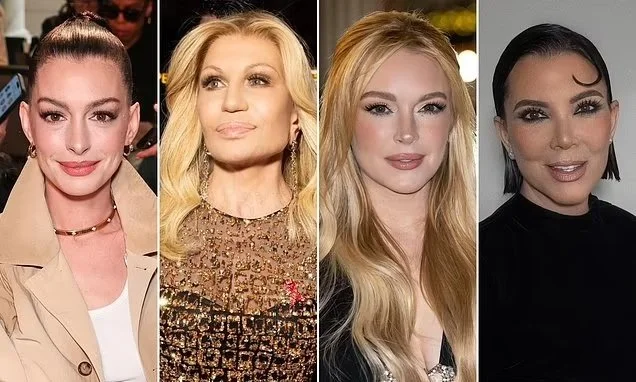
Interest in facelifts has skyrocketed; searches and demand for “deep plane facelift” and “mini facelift” has grown exponentially, helped along by Kris, and speculatively; Lindsay Lohan and Anne Hathaway among many others.
It seems on Tiktok, women now chat openly about their surgeries as if discussing a new brow gel. And somehow, major surgical intervention has slipped into the category of… normal?
Eyelid surgery or ‘blephs’ is booming too, sitting near the top of cosmetic procedures this year. Aesthetic treatments overall; surgical and non-surgical have jumped by around 40% since 2020. And it isn’t just older women. Earlier facelifts, ‘preventative Botox’ and collagen-banking before wrinkles have even formed… it’s all happening. Tweens are layering prescription-strength actives and I saw recently there are now face masks for toddlers.
It's tempting to point fingers at the industry, but the truth is: we’re all living in a culture that quietly worships youth, and the tools to chase it have become more available, more normalised, and in some cases, for many; more financially* within reach, or ‘justifiable’ than before.
*I recently saw someone online calculate how long it would take to fund a facelift simply by stopping her fortnightly nail appointments… the answer was: not that long.)
The rise of preventative ageing — and the pressure to keep up
Preventative ageing is, at its core, just a proactive approach to caring for skin before major concerns appear. There’s nothing inherently wrong with that; it’s arguably the topic of this entire newsletter. But somewhere along the way, it has shifted from ‘gentle maintenance’ to ‘pre-emptive correction’. And social media pours fuel on that fire.
Every scroll serves up taut skin, invisible pores, snatched jawlines; all presented as if they’re simply the result of a good serum and eight hours of sleep. When you never see real skin online, it’s easy to believe you’re the only one with lines, texture, pores or asymmetry. It’s also easy to forget that the 25-year-old with the flawless skin you're admiring may already had more tweakments than the average 50-year-old did a decade ago (and is using a camera filter).

A few months ago I created a “tweakment pyramid” — a simple framework to show the progression of treatments and steps we can take before we consider surgery, ensuring the foundations are healthy first. More on this here.
The growing transparency around cosmetic procedures has made something that in some cases is objectively extreme (going under general is not something to take lightly), look surprisingly casual. And that cultural shift is worth noticing, particularly in my industry. I’m genuinely curious how others feel about it?
Please feel free to contact me, or comment below if you ever have any thoughts on Graceful content, I’d love to hear from you.
There is of course, nuance:
I want to say this clearly: I think it’s incredible that women (and men) today have options. That we can choose what makes us feel confident. That aesthetic treatments exist at all. This isn’t about shaming choices; many of my own clients receive Botox for jaw tension, frown lines or even migraines, and it can be genuinely life-changing. I work alongside clinicians who support my clients beautifully with various aesthetic modalities to create harmony in the face. One of my best friends had a breast reduction in her early twenties, and it hugely impacted her quality of life. There is a time and place for aesthetic and surgical procedures, and it can be very empowering.
But empowerment only works when it’s paired with real understanding; not pressure, panic. I don’t like the idea that we must ‘fix’ ourselves before ageing even begins.
The same applies for Botox, fillers, lasers; they can give gorgeous results and a boost in confidence, but they often come with maintenance, and long-term effects are not always fully predictable. That doesn’t make them bad, but it does mean we need to approach them with clarity and education, rather than collective FOMO.
Cosmetic & Surgical Choices Aren’t Binary:
My wonderful mother is in her sixties, and recently mentioned she’d been thinking about corrective breast surgery following her breast cancer treatment years ago; they removed part of her breast and some lymph tissue under her arm (hence my deep interest in the lymphatic system). My response to her was immediate: absolutely. If something restores comfort, confidence, or a sense of wholeness, that is deeply valid.
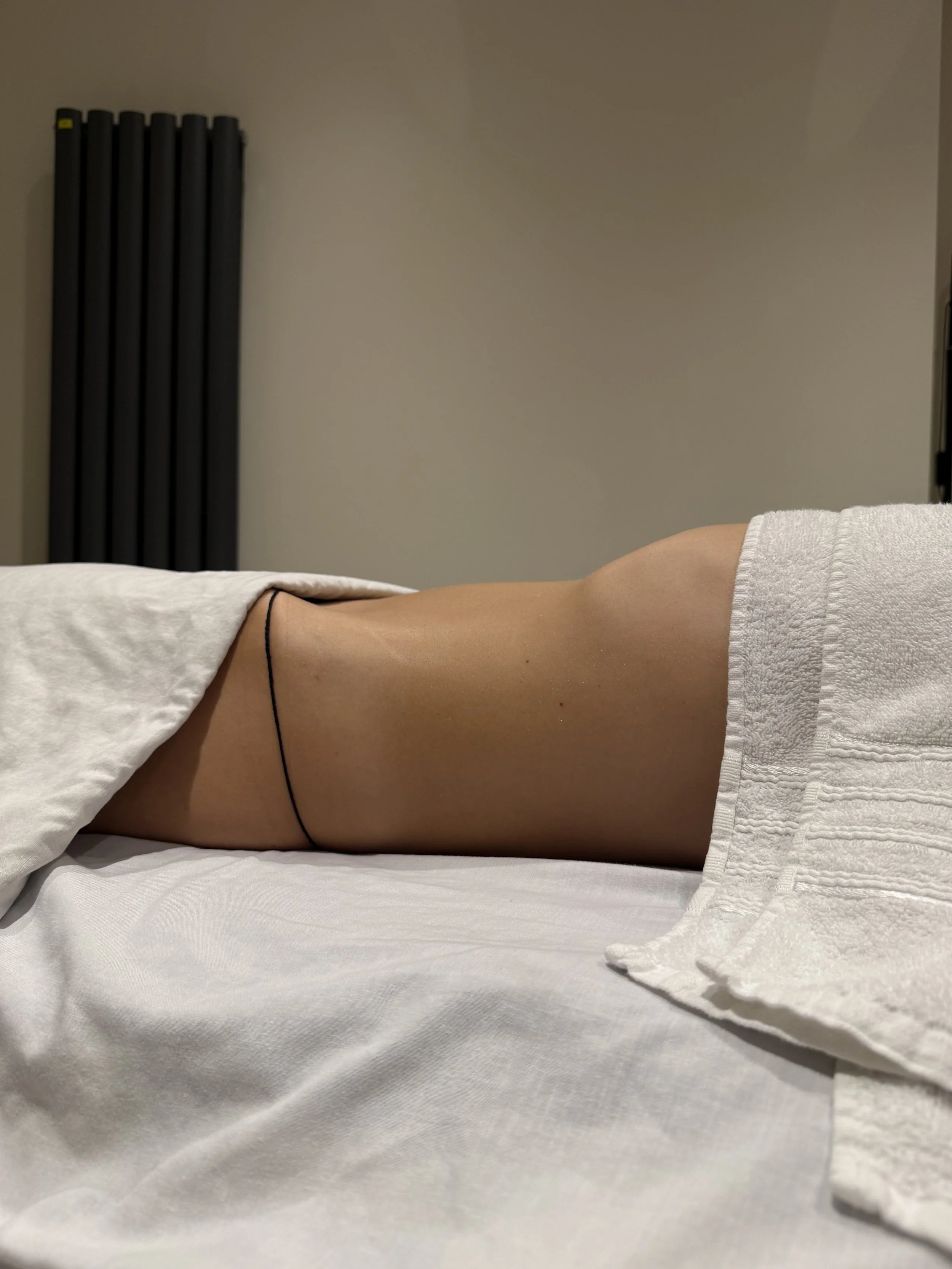
Over the past few months, I’ve also been training in full body lymphatic drainage massage* (learning French & Brazilian techniques) which is frequently used to enhance and support post-operative recovery and manage common symptoms following surgery. It’s given me a unique appreciation for the way thoughtful, hands-on care can complement these procedures, and I’m genuinely excited to be able to support people in this space.
*join the waitlist
And if we’re being totally honest; I’ve joked with my friends about booking a trip to Turkey for my 40th to resurrect my breasts after breastfeeding two extremely enthusiastic babies, and a tummy that carried two nearly 10-pound boys past their due dates. The allure is real. The marketing is good. And the promise of ‘resetting’ your body is incredibly tempting. I’m sure a lot of us have been a part of similar conversations. Kris Jenner’s facelift alone has come up more times than I can count in my treatment space.
This isn’t necessarily a moral argument. It’s more a conversation about pace, pressure and perspective.
What actually helps us ‘age well’?
The biggest truth is also the least exciting or sexy one:
Ageing is not something we can stop. Not with collagen banking, not with preemptive injectables, not with 'forever 35 facelifts’. And even with surgery, the clock keeps ticking (both inside and out).
The things that make the biggest difference on paper (and biologically) are very simple. I’ve written a whole article on these, and they’re usually woven through each issue of Graceful.
Things like:
Good sleep
Nutrition that supports skin and hormone balance
Consistent movement
Managing blood sugar (glycation)
Daily SPF
Stress regulation
Thoughtful skincare & treatments (retinoids, antioxidants, gentle actives)
I’ve watched retinoids transform skin, and faces and bodies totally change shape with consistent lymphatic work and energy treatments. These things truly work, not because they erase ‘symptoms’ of our age, but because they help your skin and bodily systems function more optimally. You look healthy, vibrant, and more you.
It isn’t as simple as choosing one path over the other either. Many surgeons will actually encourage months (or even years) of thoughtful targeted skincare, skin-health work and non-surgical treatments before ever considering lifting the skin; because the quality, elasticity and resilience of your skin can dramatically influence how successful, natural looking and long-lasting any surgical result will be.
TLDR:
Ageing isn’t a failure or a problem to solve in advance. And it certainly shouldn’t rush any of us into any major procedures. Facelifts, tweakments, retinoids and facial treatments all have a place, and we’re fortunate to live in a time where the spectrum of options is so wide.
My two cents is this: we should make choices from clarity, not comparison; from agency, not anxiety. A face and body that moves, that shows expression and carries its stories, is still, and always will be beautiful.
And if, at 50, some of us decide we do want that facelift; then let that decision come from reflection rather than panic. There isn’t a right path here, but I do think it should be an informed and considered one. And really, the more we support our skin, collagen, and overall health now, the better positioned we are for whatever choices we may want to make later; surgical or otherwise…
From My Desk This Week:
One product I’m loving: There has been an onslaught of Black Friday deals over the last two weeks, and I’m not going to add to it as I’m sure you’ve seen enough already. But if you do require a skincare top up, the Medik8 sale is excellent, or if you’ve been thinking about an LED mask; Omnilux is my go-to.
What I’m reading/listening to: I’ve recently started listening to Shameless; coined the podcast for “smart people that like dumb stuff”. As an avid Love Island and Kardashian stan who reads anatomy books in her spare time; this felt like like my kind of listen, and I’ve been loving it. On a more serious note, they recently did a review and think-piece on the Caroline Flack documentary, which I thought was excellent. It’s a thoughtful, considerate discussion about assault, mental health, suicide, and the role of the tabloids in the UK.
In the media: A few weeks ago, a new release genuinely made me do a double-take: sheet masks and skincare for toddlers, made with Korean ingredients. My son had eczema as a toddler, so he was using what is inherently therapeutic skincare, but this feels very different; marketed as beauty and fun rather than health. It’s not just unnecessary; it feels ethically questionable to target very young children, with anything, let alone with products designed for vanity and ritual rather than care. Caroline Hirons said it best as always. Please stop.
Small shift to try this week: Gently pause before Black Friday purchases. Take a moment to consider what will actually bring you value or joy, rather than acting on impulse. Consider buying from an independent business rather than a big retailer or Amazon. It’s a simple way to shop more mindfully and feel good about your choices.
As always, I hope this helps us all navigate some popularised topics around ageing with intention and ease. I’d love to hear your questions or any topics you’d like me to break down in future newsletters, just reply to this email.
With grace,
Charlie x
PS: Please forward this email on to anyone you think might find it insightful. They can sign up here, and read past issues here.
*For any studies or references to support this newsletter please reach out.