Graceful #028 - Movement is Skincare
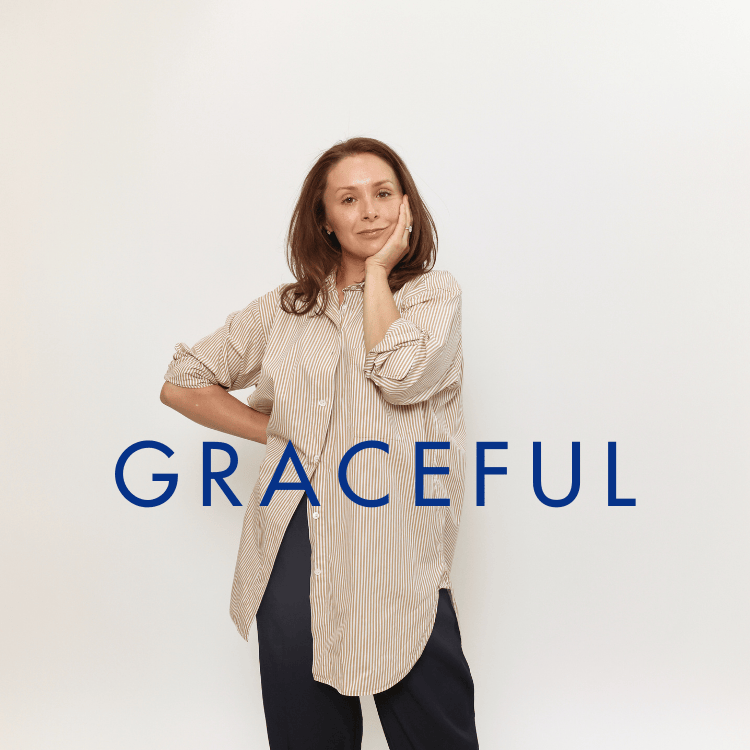
I grew up moving. New Zealand, lots of space, a mother who had us outside constantly. Tennis, netball, and cross-country running, which remains one of my most vivid primary school memories for all the wrong reasons. Movement was just part of life back then; not something you scheduled or tracked, just what happened when you left the house.
Somewhere in my twenties that changed (as it tends to when university, wine, and the general chaos of figuring out adult life take over). It wasn't until I signed up to weekly PT sessions, mid-twenties (slightly aimless about exercise but feeling horrendous after said ‘figuring out life’) that something clicked. Strength training almost instantly changed how I looked and felt, in a way nothing else had. It's one of those things that's hard to explain until you've experienced it; I just felt more capable, more confident, more like myself. That confidence spilled into trying other things; reformer Pilates was next, and I haven't really looked back since.
Getting into a studio or gym is harder now with two small children and a business, so mat Pilates has become my staple, sprinkled with 1-2 heavy weight sessions a week. At-home home workouts (fave is: Pilates by Bel app) means I can fit in movement whenever there's a window; before the school run, during nap time, whenever. It's been my constant through two pregnancies, postpartum, and everything in between.
What I find interesting (and what doesn't get nearly enough airtime in conversations about skin and ageing) is what movement is actually doing beneath the surface. Because the skin benefits are real, and they go well beyond the post-workout glow.
We know collagen declines at roughly 1% per year from our mid-twenties. What's less talked about is that movement is one of the most effective ways to actively support its production.
Exercise increases blood flow, which means more oxygen and nutrients reaching the skin; including the cells responsible for producing collagen and elastin. Strength training in particular prompts the body to release growth hormone, which actively stimulates those same cells. A 16-week study found that both cardio and resistance training improved skin elasticity and structure in women who hadn't previously been exercising regularly. Not through anything topical, just movement. Worth knowing!
Movement also reduces chronic low-grade inflammation (what researchers now call inflammageing) which is increasingly understood as one of the primary drivers of how we age visibly. Less inflammation means calmer skin, a stronger barrier, and slower cellular ageing. It's also part of why cortisol face is so real; and why movement, which actively lowers cortisol, is one of the less obvious but more powerful tools we have for how we look.
On mental health (I won't dwell here because it's well-trodden ground, but it's worth saying) the mood shift from consistent movement is biological, not imagined. Lower cortisol, more stable energy, better capacity to manage the day. I certainly notice it most in the weeks I'm not moving enough; everything is harder.
And then there's the downstream effect, which I think is underappreciated. When we start moving more consistently (even just walking more) we tend to sleep better. And when we're more rested, we make better decisions; what we eat, how we manage stress, how we show up in general. The benefits compound. Clearer skin, lower inflammation, steadier energy, improved mood. None of these things happen in isolation. They're all connected, and I’ve found movement tends to be the thing that starts the chain. I noticed this most clearly when I got back to weights more regularly; my HRV went up, my sleep improved, and things that had felt effortful started feeling easier. It's hard to attribute to any one thing, but the pattern is pretty consistent.
None of this requires a studio or a schedule overhaul. Whatever you'll actually do consistently is more or less the right answer; and in my experience, that tends to be the thing that fits around your life rather than the thing that demands you reorganise it.
I do want to acknowledge, that consistent movement isn't always possible; different seasons of life make different demands, and there are periods where just getting through the day is enough (I've been there too). But when I think about the things that genuinely underpin how we age: how our skin behaves, how we feel in our bodies, how everything else tends to fall into place, movement is one of the first things I'd point to. It's not always easy to prioritise, but I really do think it's worth it.
From My Desk This Week:
One product I'm loving: I've been taking liposomal vitamin C on this trip and I wanted to talk about it because I think it's one of the most underrated supplements, particularly when you're travelling. The obvious one is immune support: long haul flying, recycled air, disrupted sleep, new environment; your immune system takes a hit. Vitamin C also plays a role in supporting vascular (think veins) health by reducing oxidative stress in blood vessel walls. This is relevant when you're sitting still for twenty-plus hours on a plane! And there's also some evidence, though it's worth saying it's not yet robust, that it supports progesterone production; something worth knowing if you're in a phase of life where hormone balance feels relevant, but also great for skin downstream. The liposomal format is significantly better absorbed than standard vitamin C, meaning more of it actually reaches your cells. I use Cymbiotika (from Healf) and have done for a while now. Worth adding to your travel kit at minimum.
What I'm reading/listening to: I'll be honest, I've almost entirely fallen off the wagon with both since being away, and would genuinely love recommendations (reply and tell me what you're listening to or reading). My media intake has been limited to overhearing the NZ news and the occasional scroll, which has been minimal and, frankly, wonderful. What has caught my attention though is the coverage around female astronauts and space travel; so fascinating on multiple levels, but particularly the protocols around exercise used to maintain muscle and bone density in zero gravity. It maps nicely onto everything in this issue; the body really will find a way to adapt to whatever environment you put it in, and not always in the direction you want. Also, one of the male astronauts went viral for his top-to-toe moisturising routine in space, which I loved. Space is presumably not kind to the skin barrier!
In the media: 'Movement snacks' are trending: the idea that short bursts of movement throughout the day (a ten minute walk, a quick stretch between meetings, taking the stairs) are just as valuable as a longer workout session, and perhaps more sustainable for most people's lives. Marie Claire covered it as one of the defining fitness shifts of 2026, and it maps perfectly onto everything in this issue. The barrier to movement doesn't need to be as high as we've made it.
Small shift to try this week: Add one ten minute walk to your day that you wouldn't otherwise do: after lunch, before school pick up, after dinner. Research consistently shows that even short bouts of walking after eating support blood sugar regulation, digestion and mood. It's change that sounds almost too simple, but done consistently makes a real difference.
As always, I hope this helps us all navigate some popularised topics around ageing with intention and ease. I’d love to hear your questions or any topics you’d like me to break down in future newsletters, just reply to this email.
With grace,
Charlie x
PS: Please forward this email on to anyone you think might find it insightful. They can sign up here, and read past issues here.
*For any studies or references to support this newsletter please reach out.