Graceful #020 - Sleep; The Foundation of Beauty, Health, and Longevity
For years, sleep has been framed as optional; something to fit in after everything else is done. There’s an unspoken suggestion that if you’re getting enough of it, you must not be busy enough, ambitious enough, important enough. At 26, fresh in London, I overheard men on the tube trading tales of their office hours that week. Not complaining, more parading exhaustion as if it were a medal. “4 am this morning” one boasted. I was totally gobsmacked, trying to imagine what important roles could possibly demand such hours.
Until my mid-twenties, my only real reference point on sleep came from my very traditional, yet practical (and not wrong) mother, who would frankly suggest I either; ‘need a good roast’ or should go to bed earlier because I look tired. It wasn’t until I read Arianna Huffington’s writing on sleep in 2016, particularly her comparison of sleep deprivation to functioning while drunk; that the penny really dropped. Suddenly, the badge of honour we’d attached to tiredness felt completely misplaced.
Sleep has been seen as a luxury for weekends, or something we’d catch up on ‘later’. But the more I’ve learned, (both professionally and personally) the more convinced I am that sleep isn’t a luxury at all. It’s the basic, and necessary foundation that everything else quietly depends on.
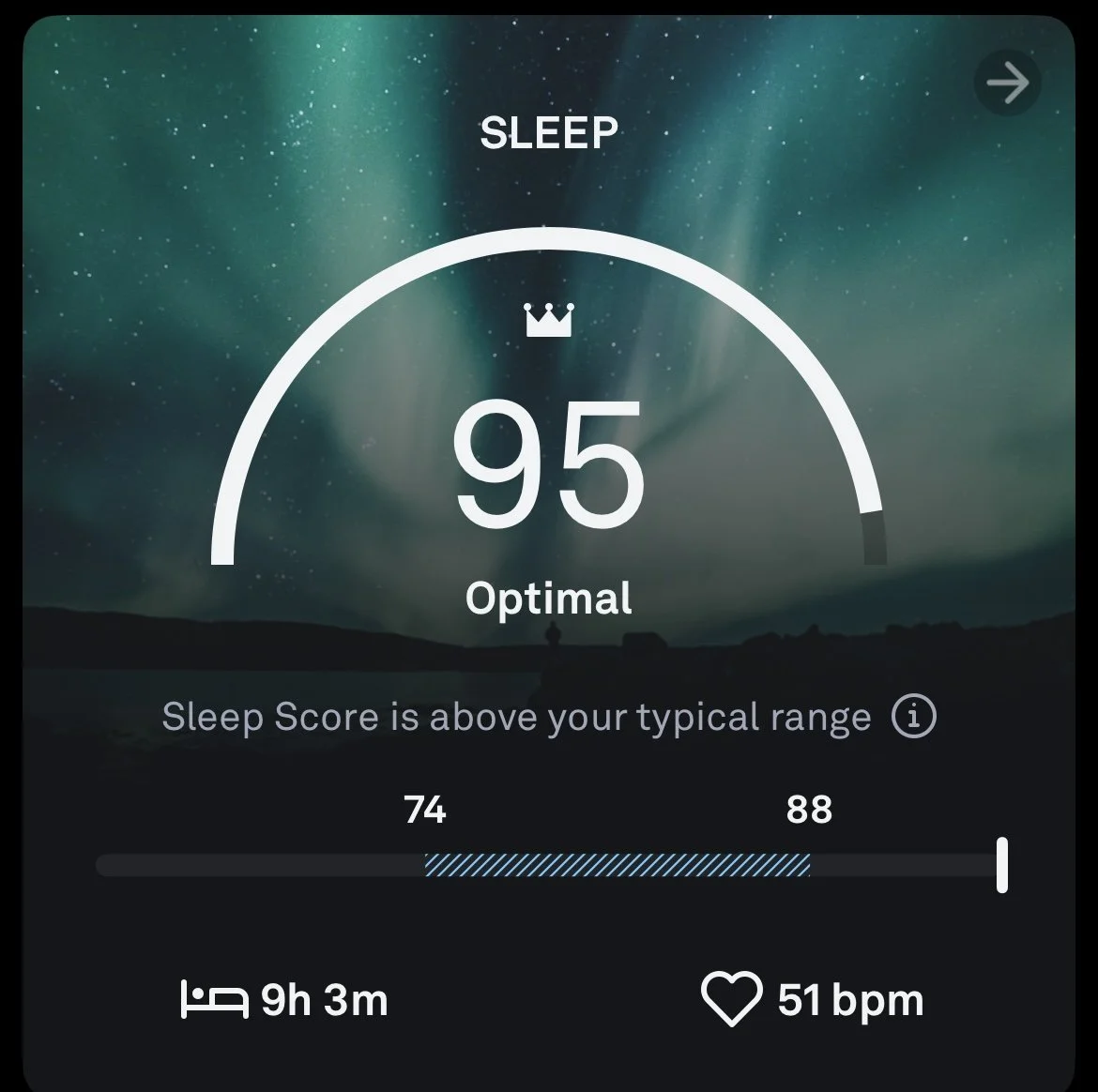
We talk a lot about optimisation now. Better skin, better energy, better focus, better ageing. But none of it really works if sleep is compromised. You can eat well, train hard, invest in skincare, book the treatments, but if your sleep is inconsistent or poor, the body is constantly playing catch-up. So let’s discuss:
A Shift
What’s interesting is that culture seems to be waking up to the importance of sleep. The hours spent in bed has moved from something slightly boring, and for those that aren’t ‘busy’ to something genuinely aspirational. Wellness retreats now centre around sleep programmes. Hotels design rooms around circadian rhythms. We can compare sleep scores from our wearables, and even fashion and beauty publications are talking about sleep not as rest, but as repair.
And that’s exactly what it is.
When we sleep, the body isn’t switching off it’s doing its most important work. Skin cells move from defence mode into repair mode. Collagen production increases. Inflammation settles. Hormones recalibrate. The lymphatic system and its lesser-known cousin, the glymphatic system in the brain, finally get the space to clear waste, reduce puffiness, and restore balance. It’s the overnight reset that no serum can replicate.
This is why sleep deprivation shows so quickly. Dull skin, sluggish digestion, low mood, increased cravings, slower recovery. The body is very honest in that way, and it reflects back exactly how well we’re supporting it.
Why Is It Important?
What’s often missed is that sleep doesn’t just affect how we look, it shapes how we behave, something I learned all too vividly during the early, sleepless nights of motherhood. When we’re well rested, appetite hormones are better regulated, cravings are less intense, decision-making improves. We’re more patient, less reactive. We train better, recover faster, and generally move through the day with more ease. Sleep quietly underpins almost every ‘good habit’ we’re trying to build.
It’s also why skincare and ‘wellness’ feel disproportionately hard when sleep is off. Skin becomes more reactive, inflammation rises, breakouts are more likely. The body just doesn’t have the capacity to repair efficiently, because it’s prioritising survival over optimisation.
This is why sleep has become such a focus in modern wellness; not because it’s fashionable, but because it’s foundational. It’s one of the few inputs that touches every system at once: the nervous system, hormones, skin, gut, immune function, and the lymphatic and glymphatic systems responsible for clearing waste and fluid. When sleep is compromised, everything downstream feels louder.
And yet, many of us (I myself still have a lot to improve) still treat it as negotiable. I believe part of the problem is that we tend to chase sleep through ‘hacks’ and the commercialisation of wellness in the last decade contributes to this hugely; supplements, trackers, gadgets, weighted blankets and room sprays. But they’re not always addressing the levers that matter most. In reality, the body responds best to rhythm. Predictability. Clear signals that it’s safe to switch from alert to repair.
Not a sleep expert (far from it), but after reading, listening, and surviving early motherhood, here are the few things that I’ve found actually make a difference:
First: Timing
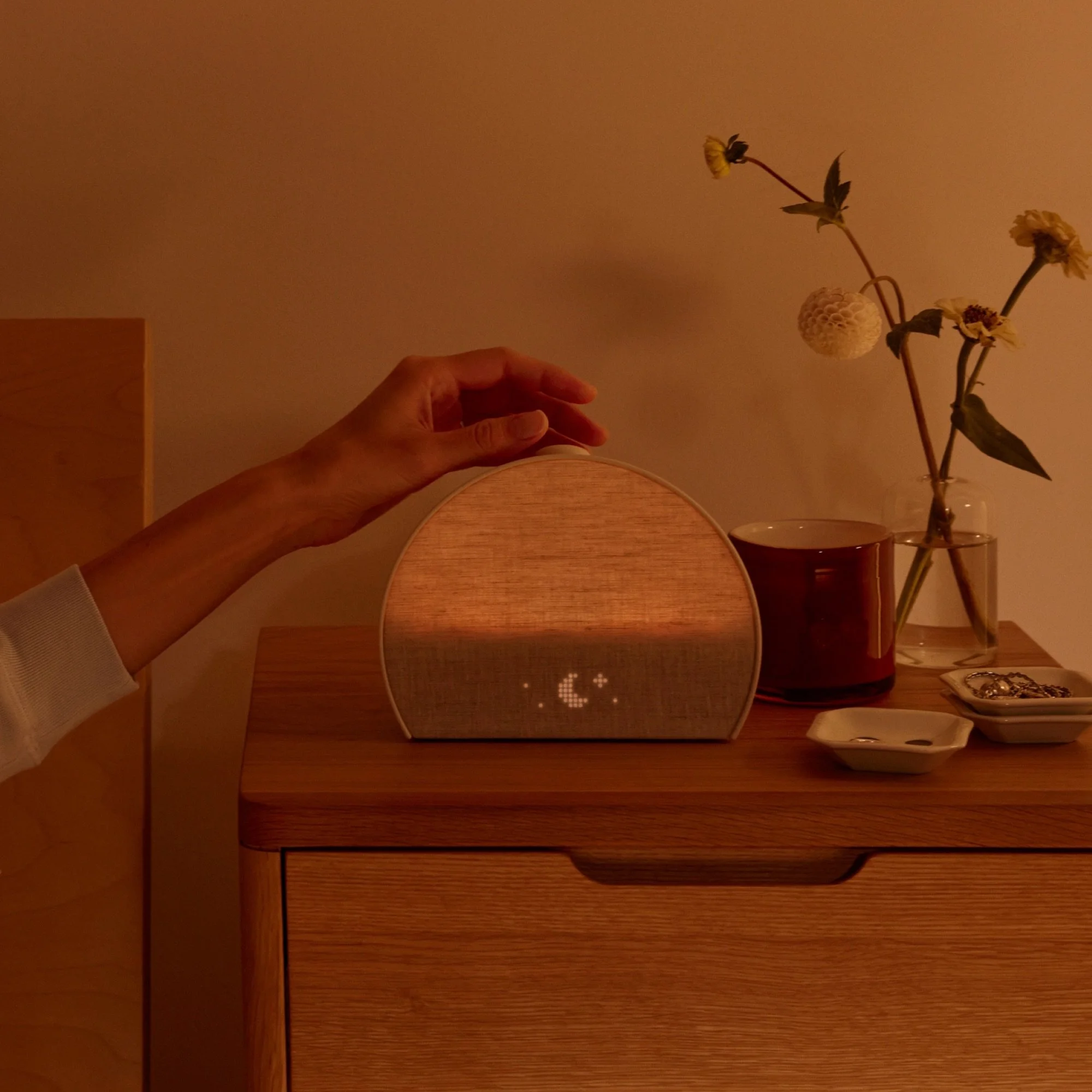
Going to bed and waking up at roughly the same time each day matters more than hitting a perfect number of hours. Our circadian rhythm thrives on consistency. Irregular schedules confuse the nervous system and impact the quality of our sleep, even if total sleep time looks adequate on paper. Try a Hatch or Lumie Alarm Light and setting your bedtime reminders and app blocks on your phone.
Second: Light
Morning daylight is one of the strongest regulators of sleep quality. Getting outside within the first hour of waking helps anchor your internal clock, making it easier to feel sleepy at night. This can be harder over winter, and daylight savings - I have some tips on this here. Equally, reducing bright and blue light in the evening, dimmer lamps, fewer overhead lights, helps signal that the day is winding down. I’ve discussed this before, but I love red light lamps for reading, and putting my phone on red light mode from 8pm.
Third: Temperature
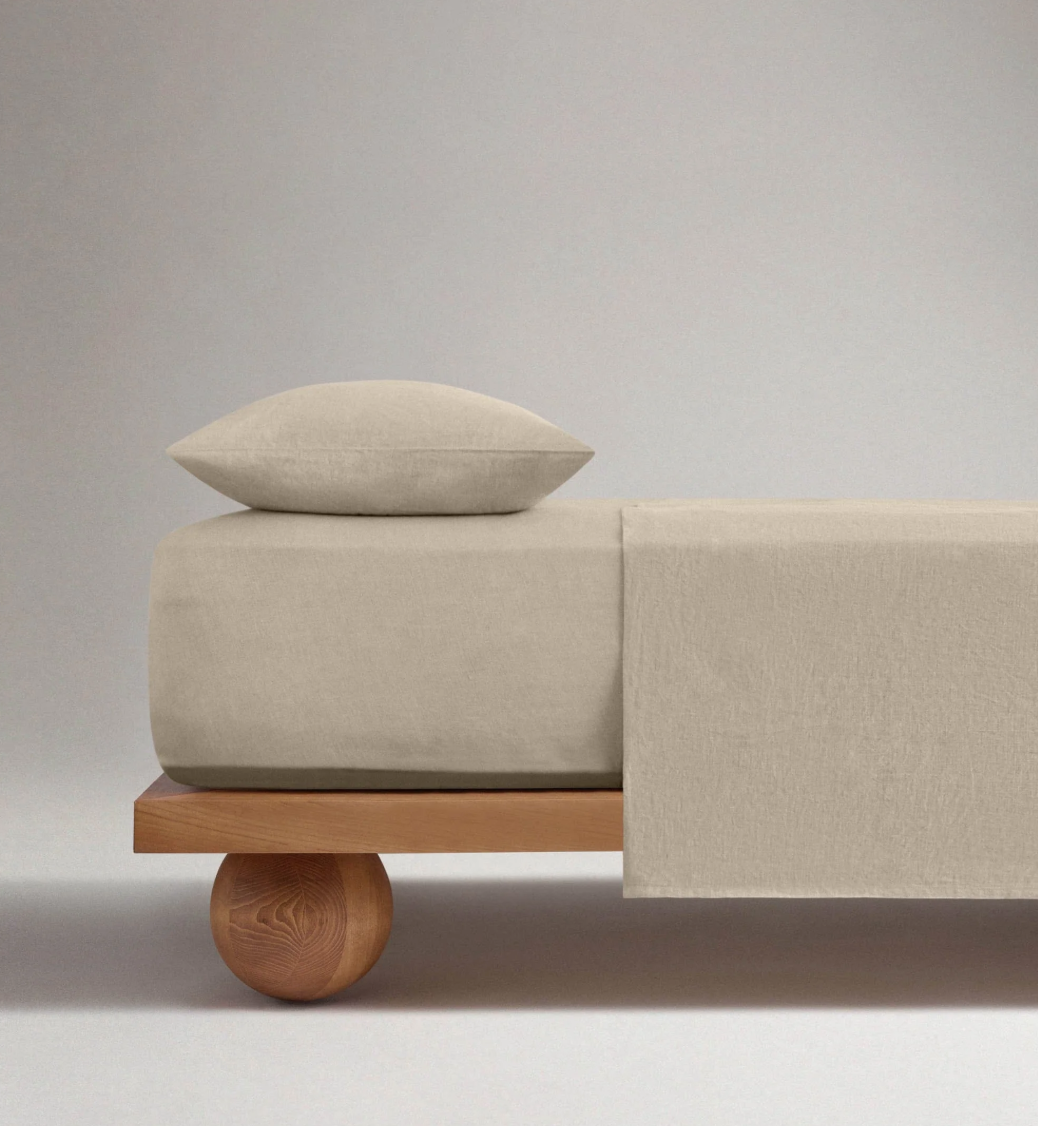
The body needs to cool slightly to fall asleep. Cooler bedrooms (around 17–19°C), breathable bedding (I like Rise & Fall linen), and even a warm shower before bed (which prompts a post-shower temperature drop) can meaningfully improve sleep onset and depth.
Fourth: Stimulation
Caffeine has a longer half-life than most people realise, it stays in the system for six to eight hours or more so being mindful about when you’re having coffee is helpful. Likewise, late-night workouts, emotionally charged conversations, or scrolling in bed all keep the nervous system in a slightly activated state. Sleep doesn’t like ambiguity, it needs a clear off-ramp. Not always possible but worth being mindful of.
Once those foundations are in place, more nuanced tools can help.
Breathwork that emphasises longer exhales can calm the nervous system before bed. I like op_en app or Calm if a bedtime story read by Harry Styles is more your thing.
Magnesium glycinate or threonate may support relaxation for some people.
Keeping alcohol earlier, or occasional improves sleep dramatically, even if it feels like you have a deep sleep after a few glasses of red - the quality or depth is not there.
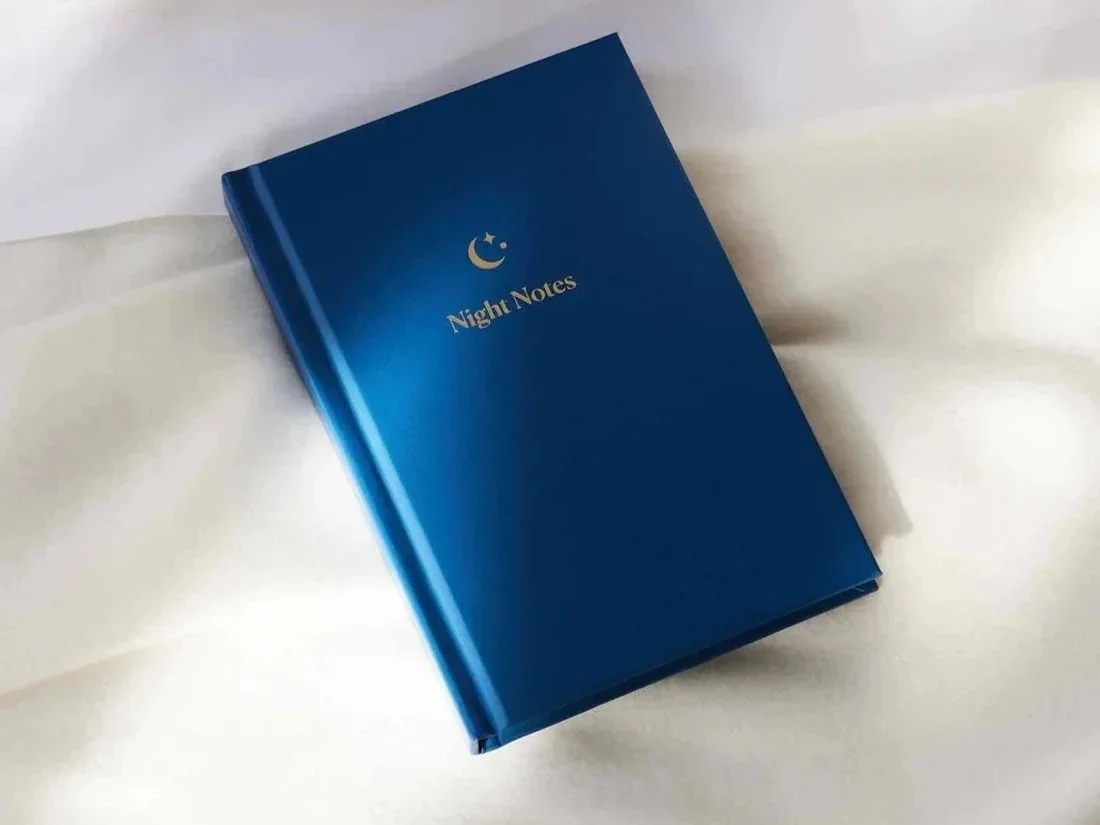
If you dealing with racing thoughts or rethink every conversation of the day before bed, writing a short ‘brain dump’ can be helpful. I like Intelligent Change’s Night Notes to note a list of thoughts before bed I can deal with tomorrow, it can help move mental noise out of the body and onto paper.
What’s reassuring is that none of this requires doing a great deal more, just doing things with a little more intention. And letting the body do what it’s designed to do when given the right conditions.
And I appreciate this is all easy enough if you have the work or home conditions; family life, health and support systems in place. Not every season is going to be a restful one and that I acknowledge and am still very much in with young children. But when sleep is prioritised everything else feels more cooperative. Skin responds better to treatments. Energy stabilises. Stress feels less sharp or overwhelming. Ageing feels less like something to manage and more like something to support.
Sleep doesn’t have great PR. It doesn’t market itself well, but something is shifting. Whether it’s age, maturity, or a wider cultural recalibration, I’m very much on board with sleep’s long-overdue rebrand. It underpins almost everything we care about when it comes to health, beauty, and longevity. And perhaps that’s why it’s finally having its moment.
From My Desk This Week:
One product I’m loving: I was recently gifted the Sarah Chapman facialift tool, and I’ll admit my first reaction was a quiet eye-roll. What I didn’t expect was how often I’d actually reach for it. It’s simple, unfussy, and far less involved than a full gua sha routine. Easy to use in bed after skincare, or absent-mindedly while watching TV on the sofa. It’s not a fix for deep jaw tension or TMJ, but it does take the edge off, feels deeply relaxing, and gives a subtle sculpting effect over time. Would also make a great gift!
What I’m reading/listening to: Very much in line with today’s issue, I recently listened to an episode by the No. 1 Sleep Expert on simple strategies to support better rest. From winding down at the end of the day to addressing restless middle-of-the-night moments, all based on supportive science. It wasn’t jargon-heavy or too intense; but full of practical insights you can actually apply if sleep has been feeling elusive.
In the media: I recently came across Boots’ 2025 trend report, which offers a useful snapshot of where beauty and wellness spending is really going and what people leaned into this year. What stood out was how closely it mirrors our growing preoccupation with overall wellbeing, not just appearance. There’s a clear rise in demand for science-backed skincare, exfoliants and K-beauty, alongside a sharp increase in electrolytes, adaptogens and collagen supplements — all neatly aligned with the broader conversations around longevity, optimisation and holistic health. None of this is particularly surprising, but it does underline how quickly retailers are responding to virality. Social media narratives are increasingly shaping what lands on shelves, and it makes me curious about what 2026 will bring as AI and integrated shopping become even more embedded in how we discover and buy.
Small shift to try this week: On theme; try a ‘digital curfew’ for one night this week: no scrolling through socials, checking emails, or catching up on news an hour before bed. Give your mind a break from constant notifications and attention-grabbing feeds lets your nervous system relax, and hopefully will make it easier to drift off and sleep more deeply.
As always, I hope this helps us all navigate some popularised topics around ageing with intention and ease. I’d love to hear your questions or any topics you’d like me to break down in future newsletters, just reply to this email.
With grace,
Charlie x